AI Boiled a Small Lake to Bring House of Nepenthe to Life
They say all is fair in love and self-publishing, which is why I have no trouble throwing money at anything that might remotely help me sell more books... even if "anything" occasionally means accelerating the heat death of the planet.

Sometime in the greatest decade of human history (the 1980s), a low-grade existential guilt began to creep into the American bathroom. We were learning that the things we loved—Aqua Net, Rave, White Rain—were eating a hole in the sky, letting in the kind of radiation that would cause cancer. The culprit? Chlorofluorocarbons. CFCs. People nodded along during the news and reached for the aerosol can anyway. I know this is bad, but I'm doing it anyway, they probably thought. It created a nationwide cognitive dissonance. A collective groan from a population that suspected it was trading the future for the present, one Farrah Fawcett hairdo at a time.
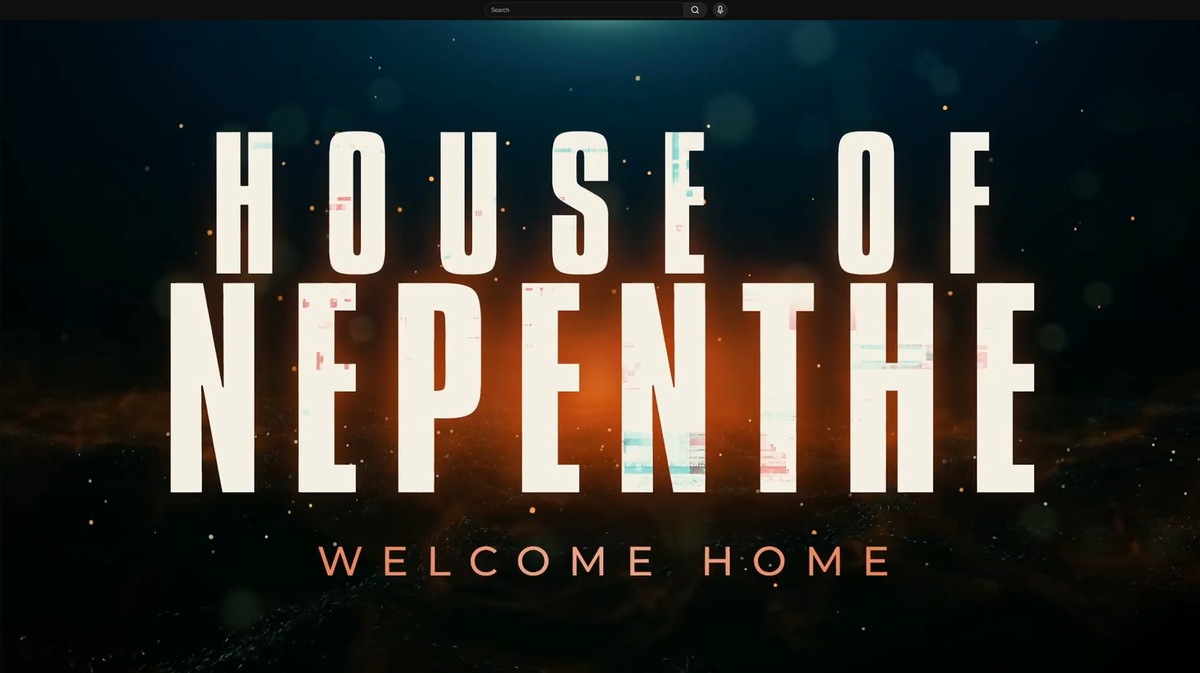
Sound familiar? Of course it does. Before we get into that, check this out:
Pretty cool, huh? Too bad it was the modern equivalent of spraying an aerosol can for two minutes straight.
It's not hard to draw a line between CFCs and the concerns about AI in early 2026. Environmental advocates point to the staggering amounts of water, power, and land consumed by data centers running Claude and ChatGPT. Artists (like yours truly) argue that AI systems were trained on their work without consent, that the tech doesn't create so much as consumes and poops, and that every AI-generated image is a soulless lowest common denominator simulacrum of art. These are real concerns, and right now, I plant my flag mostly in this camp.
But I also believe that someone like me, a middle-aged science fiction writer with bad knees who learned PHP from Stack Overflow and sheer force of will, should be able to use AI to write code without being a hypocrite about it. And while it comes with a good amount of shame for being a Traitor to the Cause, the paycheck helps offset that. As I've quoted before, I pay thy poverty, and not thy will.
We are, I suspect, exactly where we were in 1979 with the cans of hair spray: something is wrong, the science is still being argued, and nobody has figured out what to do yet. So why (hire someone to) use AI to generate a book trailer for House of Nepenthe even if, in my heart, it feels wrong? Because it's Saturday night, I'm meeting Farrah at Studio 54, and I'm gonna need my hair to raise eyebrows and hit ceiling fans.
Is that a tenable way to live? Maybe not. But things are moving quickly in the AI scene. The resistance I see warms my heart. The calculations showing the entire AI industry being propped up by "free cash" from VCs makes me long for the coming crash. It's a strange spot to be in. I don't want people flooding Amazon with AI-generated books on a scale I can't possibly compete with. I don't want my job forcing me to use AI to make better PowerPoint presentations. But I do want to make it write PHP code. And I do want it to help me research faster while I'm writing so I don't have to break my flow.
At least if the system does collapse tomorrow, I can just go back to researching bullet casings on Google and looking up ternary operators on php.net.
Switching gears from the coming AI apocalypse: House of Nepenthe is nineteen days away. You can pre-order the Kindle edition on Amazon, grab an early signed copy directly from my store, or enter the Goodreads giveaway for a chance at a free copy like the fiscally responsible reader you are. And unless the trailer has left you completely and irreparably repelled by AI and everything it touches, give those YouTube videos a like, hit that bell, subscribe, send me money, eat some Burger King chicken sandwiches, and send this email/page to someone who loves Science Fiction.
Or don't. I'm not the boss of you.